Smart Doorbells and Your Privacy: What Colorado Springs Homeowners Actually Need to Know
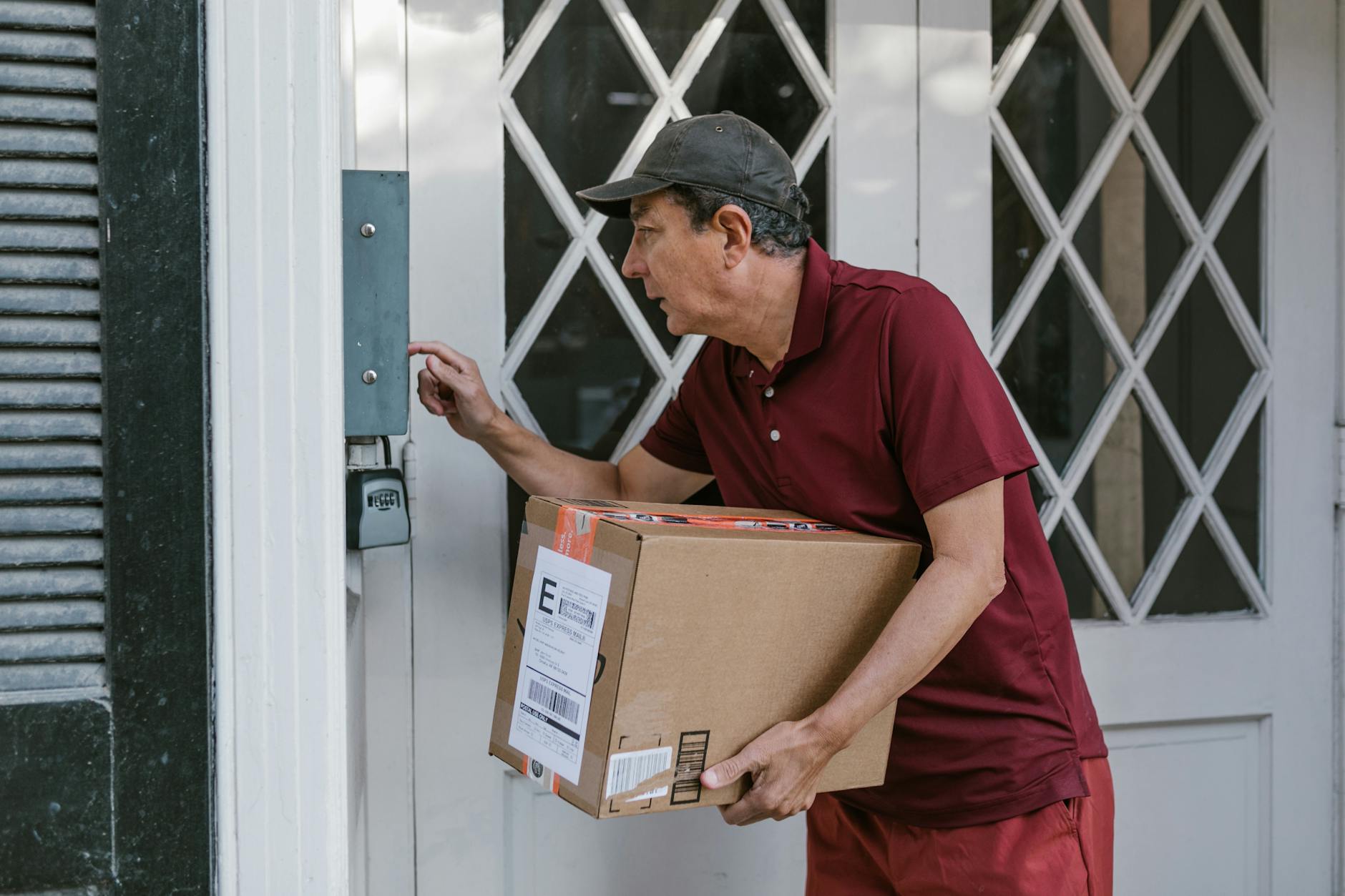
About one in five US internet households now has a video doorbell sitting on the front porch, up from around 4 percent in 2017, according to Parks Associates. So this happened fast. And with the cameras came a question we hear all the time from folks around Colorado Springs, Pueblo, and Fountain: is my smart doorbell a privacy problem, for me or for my neighbors?
Short answer, smart doorbell privacy can absolutely be an issue. But usually not in the way the scary headlines make it sound. It comes down to a handful of specific things you actually control, and most of them are easier to fix than you would guess.
The cameras are everywhere now, and that is the part worth a second thought
Parks Associates pegs video doorbell adoption at roughly one in five internet households as of 2023, up from about 4 percent in 2017, and closer to a third of internet households now own either a smart camera or a video doorbell. In suburban neighborhoods, the kind you see all over the north end of Colorado Springs or out in Fountain, it runs even higher.
So your doorbell is not just watching your porch. It is part of a street full of cameras, most of them pointed at sidewalks, driveways, and whoever happens to walk by. That is great when a package walks off. It is a little murkier when you start thinking about who else can see that footage.
The big wake-up call came in 2023, when the Federal Trade Commission settled with Ring for $5.8 million. The complaint was blunt: before mid-2017, Ring employees and outside contractors could pull up and download customer videos with basically no limits, including footage from inside people's homes. As part of the settlement Ring had to delete improperly used data and turn on two-factor authentication for everyone.
What Colorado law actually says about your doorbell
We run IT for homes, we are not a law firm, so treat this as plain English and not legal advice. If you have a real dispute brewing with a neighbor, talk to a Colorado attorney. That said, here is the gist.
Colorado is a one-party consent state under its wiretapping and eavesdropping statutes, C.R.S. 18-9-303 and 18-9-304. The video side of a doorbell camera is generally fine, since you do not have a strong expectation of privacy walking up to someone's front door. The audio side is where people trip up. When you are talking through the two-way speaker, you are part of the conversation, so recording it is allowed. But if your doorbell quietly records conversations you are not part of, say two neighbors chatting on the sidewalk, you can wander into Colorado's eavesdropping rules.
Aiming a camera deliberately at a neighbor's windows or fenced backyard is a separate problem and can cross into invasion-of-privacy territory. Catching the edge of their driveway because that is just what your porch sees? That is normal and fine.
A doorbell that points at your own porch and minds its own audio almost never causes a legal headache. The trouble starts when the microphone reaches further than the camera needs to.
Two easy moves keep you clear: turn the audio off if you do not use the two-way talk, or trim the motion and recording zones so the camera focuses on your property. A small "Audio and video recording in progress" sign by the door does not hurt either, since it puts visitors on notice.
The privacy risk nobody warns you about: your home network
Here is the part the manufacturer box never mentions. Your doorbell is only as private as the WiFi it lives on. Consumer Reports and CNN both found that cheaper off-brand doorbells, the no-name models you see for $40 online, shipped with serious security holes that let strangers view footage or even take the camera over. Even the good brands are only safe if the account behind them is locked down.
And almost every doorbell we touch in Pueblo and Fountain homes is hanging off the same flat network as the laptops, the kids' tablets, and the smart TV. If someone gets a foothold on one cheap gadget, they are now one hop away from everything else. That is the real privacy exposure, and it is exactly the kind of thing a proper network tune-up sorts out.
Strong unique passwords, two-factor turned on, firmware kept current, and your smart-home gear fenced onto its own network lane. None of that is glamorous. All of it matters more than which brand of doorbell you bought.
Police, footage requests, and the 2025 Ring reversal
This one moved around a lot, so it is worth getting straight. Back in January 2024, Ring shut down the feature that let police request your footage through the Neighbors app. Privacy advocates cheered.
Then in September 2025, it came back. Through a partnership with Axon, the police-tech company, Ring rolled out "Community Requests." Here is how it works in plain terms. After a reported crime, a verified local department can post a request covering a map area and up to 12 hours of footage. If you get one, you choose whether to respond, you review your own clips first, and you pick exactly what to send. Police then get your name, email, and phone along with the video.
The important parts for a homeowner: it is opt-in, you can decline without the department knowing it was you, and you can switch the notifications off entirely in the app. Federal agencies like ICE are not eligible. The Electronic Frontier Foundation is not happy it returned at all, and that is a fair debate to have. Our job is just to make sure you know the setting exists and where to find it.
What we tell our Pueblo and Fountain neighbors to actually do
If you own a video doorbell, you do not need to panic and you do not need to become a security expert. You need to spend twenty minutes on the boring stuff. Here is the short list we walk homeowners through during a smart-home setup visit:
- Turn on two-factor authentication for the doorbell account. This is the single biggest one.
- Use a long, unique password, not the same one as your email.
- Decide whether you actually want audio on. If not, switch it off.
- Trim the recording and motion zones to your own property.
- Check that firmware updates are set to install automatically.
- Get your cameras and smart gadgets onto a separate network from your computers and phones.
- Open the Neighbors app once and set the police-request notifications the way you want them.
That last network piece is the one most people skip, because honestly it is the hardest to do yourself. If your home WiFi is one big flat network with the router password still set to whatever was printed on the sticker, the fanciest doorbell on the market is not going to save you.
Do I have to tell visitors my doorbell is recording?
A smart doorbell is one of the genuinely useful pieces of home tech out there. It just needs a few minutes of setup it almost never gets. If you would rather have someone handle the network side so the camera, your privacy, and the rest of your house are all actually locked down, that is what we do for homeowners across Colorado Springs, Pueblo, and Fountain.
Ready to Get Started?
Questions About Your Smart Home?
We serve Fountain, Colorado Springs, Pueblo, and Southern Colorado. Reach out and we'll talk through your project.
Contact Us